

- 228 Views
- 3 Min Read
- (0) Comment
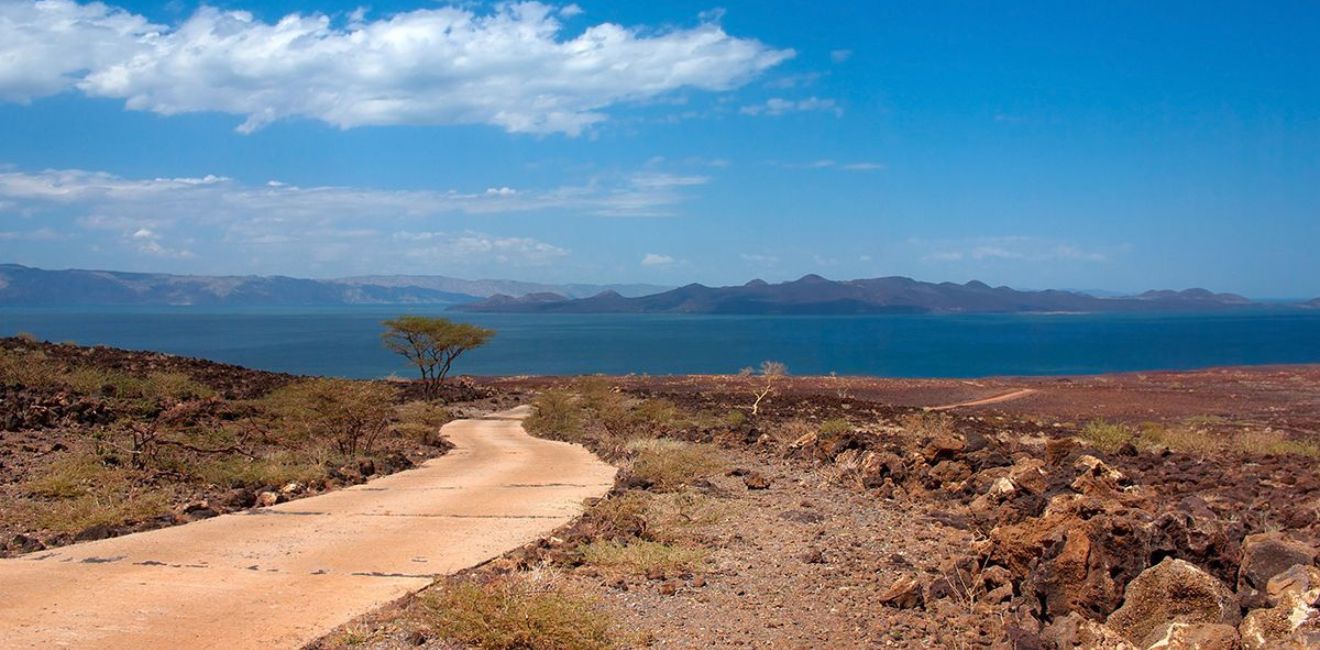
Marsabit County is one of Kenya’s most rugged and captivating regions, tailor-made for motorcycle enthusiasts who crave adventure beyond the ordinary. Its vast deserts, shimmering lakes, and prehistoric treasures create a riding experience that is both challenging and deeply rewarding. Here are five unforgettable destinations to explore on two wheels.
North Horr and the Chalbi Desert
Riding into North Horr feels like entering another world. This remote settlement sits on the edge of the Chalbi Desert, a vast expanse of salt flats and sand that stretches endlessly under the blazing sun. For motorcyclists, the thrill lies in navigating the desert’s open terrain, where the horizon seems infinite and the silence is profound. The ride tests endurance and skill, but the reward is the sheer sense of freedom that comes with conquering one of Kenya’s harshest landscapes. Along the way, encounters with nomadic communities add a cultural dimension to the adventure, offering glimpses into traditional pastoralist life.
Lake Turkana at Loiyangalani Shores
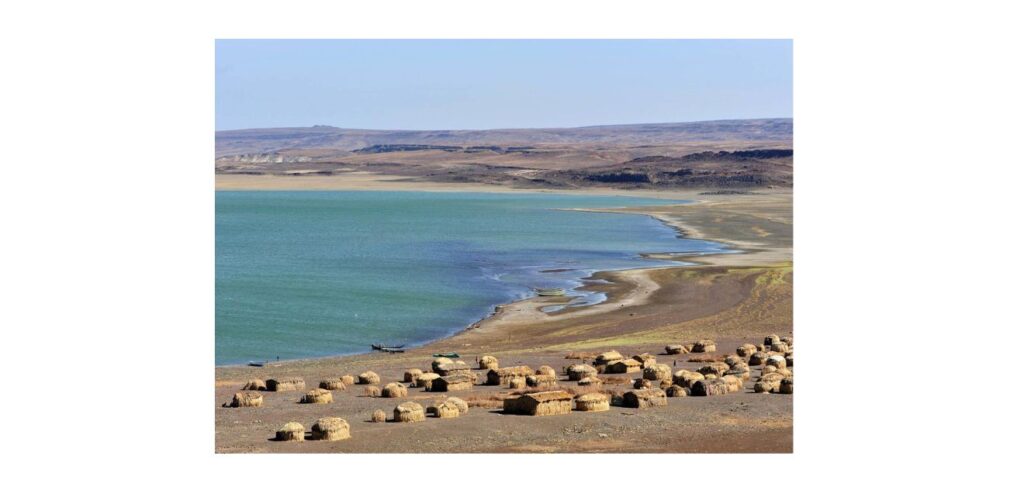
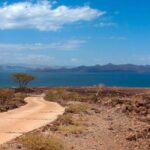
From the desert, the road descends toward the mystical Jade Sea—Lake Turkana. The town of Loiyangalani, perched on its southern shores, is a haven for weary riders. The lake’s turquoise waters shimmer against the backdrop of volcanic hills, creating a surreal contrast to the arid desert. Loiyangalani is home to diverse communities, including the El Molo, one of Kenya’s smallest ethnic groups. Riding here is not just about the destination but the journey itself, as the road winds through dramatic landscapes that shift from desert to rocky escarpments. Watching the sunset over Lake Turkana after a long ride is an experience that etches itself permanently into memory.
Sibiloi National Park
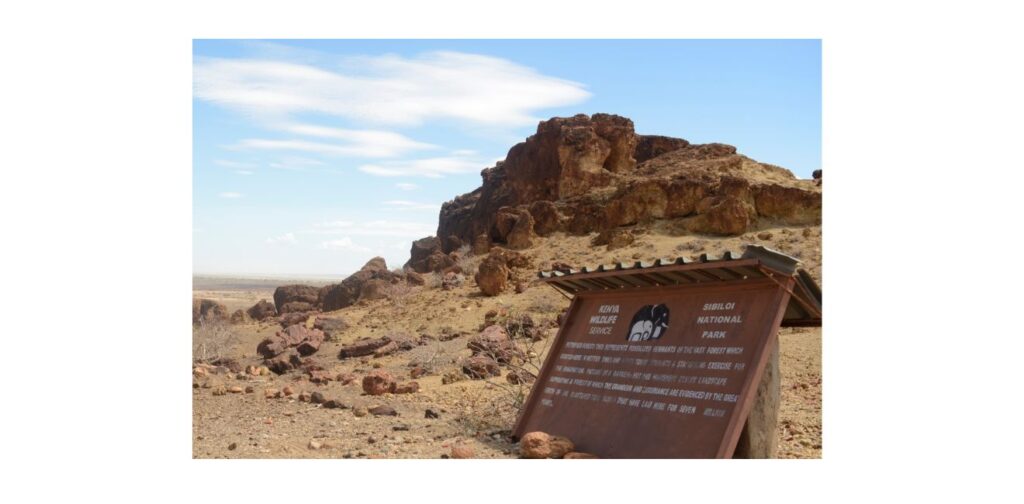
Further east along the lake lies Sibiloi National Park, often called the “Cradle of Mankind.” For motorcyclists, reaching this UNESCO World Heritage site is a triumph in itself, given the rough terrain and remote location. The park is a sanctuary of wildlife, with crocodiles basking along the shores and antelopes roaming the plains. Yet its true allure lies in its prehistoric significance. Riding through Sibiloi feels like traveling back in time, as the park preserves fossils that trace human origins millions of years. The sense of history mingled with raw natural beauty makes this ride both intellectually and spiritually enriching.
Koobi Fora
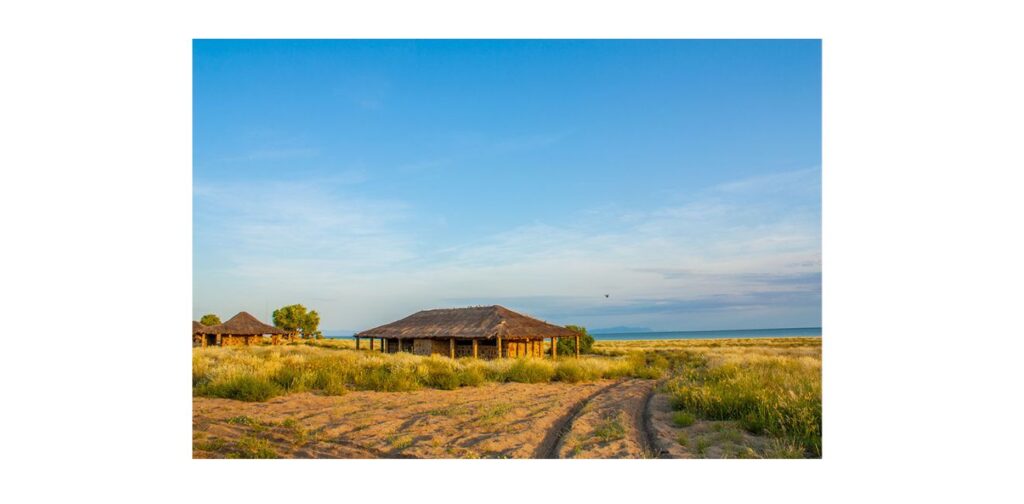
Within Sibiloi lies Koobi Fora, one of the world’s most important paleoanthropological sites. For riders, reaching Koobi Fora is a pilgrimage to the roots of humanity. The rugged tracks leading here demand resilience, but the destination is worth every bump and dust cloud. Fossil discoveries at Koobi Fora have reshaped our understanding of human evolution, and standing on this hallowed ground is humbling. The ride itself is a metaphor for exploration—pushing boundaries, enduring challenges, and arriving at a place that connects us to the very beginnings of our species.
The Spirit of Marsabit Riding
Motorcycling in Marsabit County is not for the faint-hearted. It is a journey through extremes—scorching deserts, shimmering lakes, and fossil-rich plains. Each destination, from North Horr to Koobi Fora, offers a unique blend of adventure, culture, and history. The rides demand grit, but they reward with unmatched beauty and profound experiences. For those who dare, Marsabit is more than a county; it is a frontier of discovery, a place where every ride becomes a story worth telling.
🛠️ Practical Tips for Riders
- Fuel Planning: Carry extra fuel, as stations are scarce in remote areas like Chalbi and Turkana.
- Bike Choice: Dual-sport or adventure motorcycles with off-road capability are best suited for Marsabit’s terrain.
- Weather Awareness: The desert can be scorching during the day and chilly at night—pack accordingly.
- Safety Gear: Helmets, gloves, boots, and protective clothing are essential; the terrain is unforgiving.
- Navigation: GPS devices or offline maps are crucial, as mobile networks are unreliable in remote zones.
- Best Season: Dry months (July–October and January–March) are ideal, as heavy rains can make roads impassable.
- Local Interaction: Respect local communities and traditions; many areas are home to pastoralist groups with rich cultures.


Leave a comment: