

- 210 Views
- 3 Min Read
- (0) Comment
Kenya is a motorcyclist’s paradise, with its diverse landscapes ranging from lush highlands to arid deserts and coastal highways. But before you hit the road, preparation is key. A motorcycle trip here isn’t just about the thrill of the ride—it’s about ensuring safety, comfort, and readiness for the challenges of Africa’s terrain.
Choosing the Right Motorcycle
The first step is selecting a bike that can handle Kenya’s varied roads. Adventure and dual-sport motorcycles are ideal, as they balance highway comfort with off-road capability. Popular models include the Honda Africa Twin, Suzuki DR650, and BMW GS series. If you’re renting, check that the bike is well-maintained, with reliable tires, brakes, and suspension. Always test-ride before committing, and ensure the rental company provides basic tools and a spare tire tube.
Bike Rentals in Kenya
Motorcycle rentals are available in Nairobi, Mombasa, and other major towns. Companies often offer packages that include helmets, panniers, and GPS devices. Some even provide guided tours for riders unfamiliar with local routes. When renting, confirm insurance coverage, breakdown assistance, and whether cross-border travel is allowed if you plan to ride into neighboring countries. Booking in advance is wise, especially during peak travel seasons.
Essential Gear
Protective gear is non-negotiable. A sturdy helmet, armored jacket, gloves, and boots are crucial for safety. Given Kenya’s climate, opt for breathable gear with removable liners to adapt to hot days and cool nights. Sunglasses or tinted visors help with glare, while hydration packs are invaluable for long rides through arid regions like Marsabit or Turkana.
Packing Smart
Space is limited, so pack light but strategically. Essentials include a first-aid kit, spare parts (spark plugs, clutch cables, tire repair kits), and tools for minor repairs. Carry extra fuel if heading into remote areas, as stations can be scarce. Waterproof bags or panniers protect your belongings during sudden rains. Don’t forget cash, as ATMs may be few and far between in rural areas.
Navigation and Communication
Kenya’s road network is a mix of smooth highways and rugged tracks. GPS devices or offline map apps are essential, as mobile coverage can be unreliable in remote zones. A local SIM card helps with communication, but always inform someone of your route before heading out. Satellite trackers are a smart investment for riders venturing into isolated regions.
Health and Safety
Kenya’s climate varies widely, so prepare for both heat and chill. Sunscreen, insect repellent, and plenty of water are must-haves. Riding near wildlife reserves requires caution—animals may cross roads unexpectedly. Respect local communities, and always ask before taking photos.
Timing Your Trip
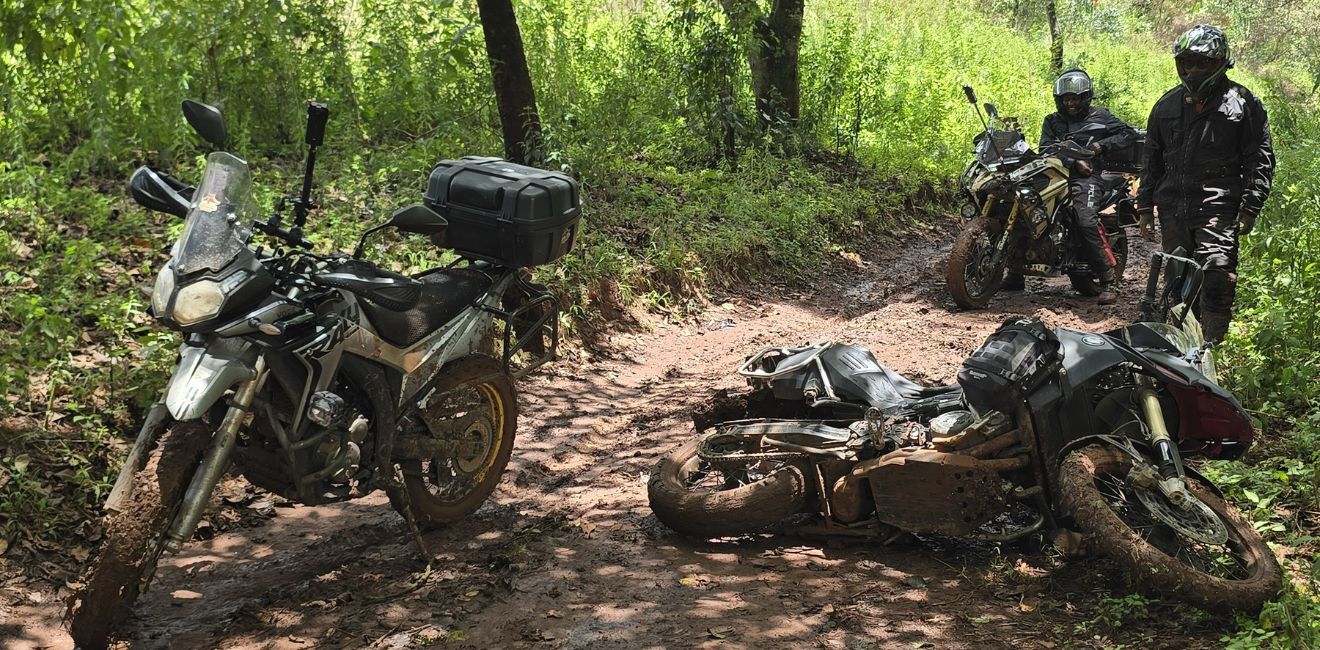
The best time to ride is during the dry seasons (January–March and July–October). Heavy rains can make roads impassable, especially in northern Kenya. Planning around weather ensures smoother rides and fewer delays.
Final Thoughts
A motorcycle trip in Kenya is more than just a ride—it’s an adventure through landscapes that shift from savannahs to deserts and coastlines. With the right bike, proper gear, and thorough preparation, you’ll be ready to embrace the freedom of the open road while staying safe and comfortable. Kenya rewards riders with unforgettable experiences, but only if they come prepared.


Leave a comment: